Squash - Peanut
Minimum Seed Count: 15
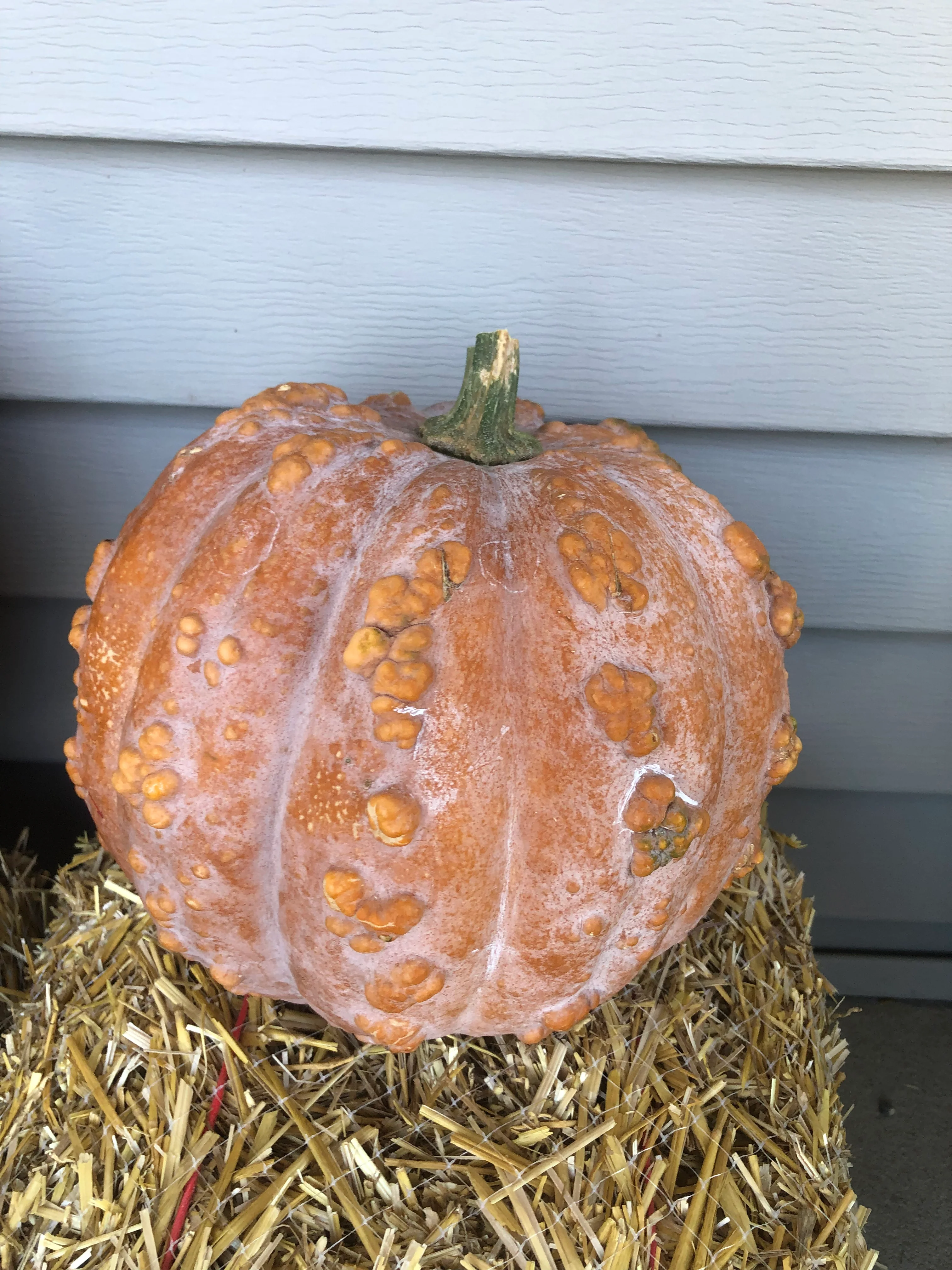
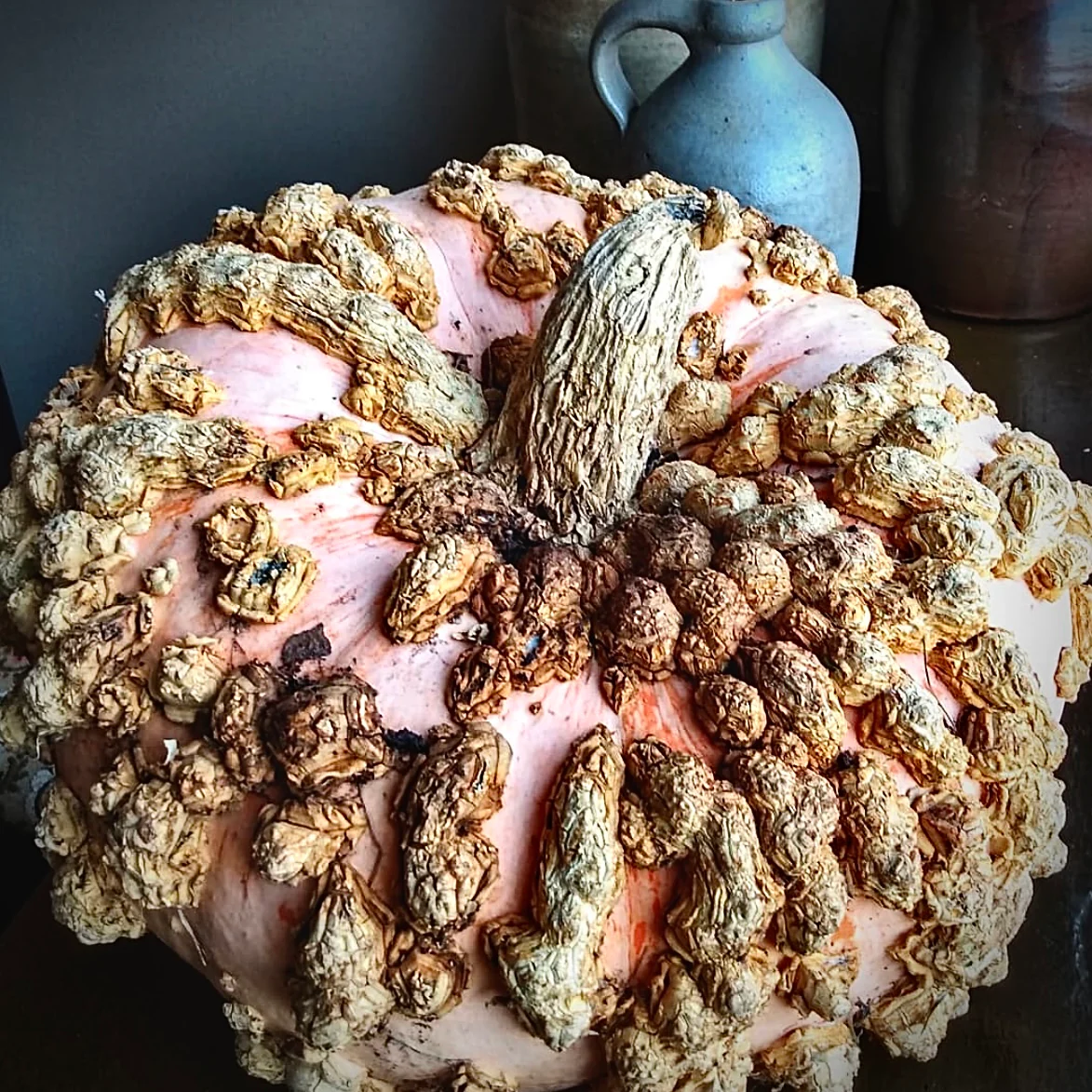
The Peanut Pumpkin, also known as the French heirloom Galeux d'Eysines, is famous for its salmon-pink/tan skin covered in distinctive peanut-like warts. These unique growths develop as sugars accumulate beneath the skin, creating a pumpkin that looks unlike any other in the garden. Beyond its remarkable appearance, Peanut Pumpkin offers sweet, flavorful flesh that is excellent for pies, soups, roasting, and baking. A favorite among gardeners, market growers, and fall decorators, this variety is guaranteed to attract attention.
Plant Details
- Species: Cucurbita maxima
- Plant Type: Annual vining pumpkin
- Days to Maturity: 95–110 days
- Fruit Weight: 10–20 pounds
- Fruit Color: Salmon-pink with peanut-like warts
- Growth Habit: Large, sprawling vines
Growing Guide
Starting Seeds
- Sow seeds directly outdoors after all danger of frost has passed.
- In cooler climates, seeds can be started indoors 2–3 weeks before transplanting.
- Plant seeds 1 inch deep.
Planting
- Choose a location with full sun.
- Space plants 4–6 feet apart.
- Allow 8–12 feet of room for vines to spread.
- Plant in fertile, well-drained soil rich in organic matter.
Growing Conditions
- Full sun (8+ hours daily)
- Rich, fertile soil
- Consistent watering, especially during fruit development
- Mulch around plants to help retain moisture and suppress weeds
Care
- Fertilize regularly throughout the growing season.
- Avoid overhead watering when possible to reduce disease pressure.
- Bees and other pollinators are essential for fruit set.
- Large vines benefit from plenty of growing space and airflow.
Harvesting
- Harvest when fruits develop their characteristic pink coloration and hard rind.
- Leave several inches of stem attached when cutting fruits from the vine.
- Cure pumpkins in a warm, dry location for 10–14 days to improve storage life.
- Store in a cool, dry place.
Minimum Seed Count: 15
The Peanut Pumpkin, also known as the French heirloom Galeux d'Eysines, is famous for its salmon-pink/tan skin covered in distinctive peanut-like warts. These unique growths develop as sugars accumulate beneath the skin, creating a pumpkin that looks unlike any other in the garden. Beyond its remarkable appearance, Peanut Pumpkin offers sweet, flavorful flesh that is excellent for pies, soups, roasting, and baking. A favorite among gardeners, market growers, and fall decorators, this variety is guaranteed to attract attention.
Plant Details
- Species: Cucurbita maxima
- Plant Type: Annual vining pumpkin
- Days to Maturity: 95–110 days
- Fruit Weight: 10–20 pounds
- Fruit Color: Salmon-pink with peanut-like warts
- Growth Habit: Large, sprawling vines
Growing Guide
Starting Seeds
- Sow seeds directly outdoors after all danger of frost has passed.
- In cooler climates, seeds can be started indoors 2–3 weeks before transplanting.
- Plant seeds 1 inch deep.
Planting
- Choose a location with full sun.
- Space plants 4–6 feet apart.
- Allow 8–12 feet of room for vines to spread.
- Plant in fertile, well-drained soil rich in organic matter.
Growing Conditions
- Full sun (8+ hours daily)
- Rich, fertile soil
- Consistent watering, especially during fruit development
- Mulch around plants to help retain moisture and suppress weeds
Care
- Fertilize regularly throughout the growing season.
- Avoid overhead watering when possible to reduce disease pressure.
- Bees and other pollinators are essential for fruit set.
- Large vines benefit from plenty of growing space and airflow.
Harvesting
- Harvest when fruits develop their characteristic pink coloration and hard rind.
- Leave several inches of stem attached when cutting fruits from the vine.
- Cure pumpkins in a warm, dry location for 10–14 days to improve storage life.
- Store in a cool, dry place.
Original: $4.00
-65%$4.00
$1.40Description
Minimum Seed Count: 15
The Peanut Pumpkin, also known as the French heirloom Galeux d'Eysines, is famous for its salmon-pink/tan skin covered in distinctive peanut-like warts. These unique growths develop as sugars accumulate beneath the skin, creating a pumpkin that looks unlike any other in the garden. Beyond its remarkable appearance, Peanut Pumpkin offers sweet, flavorful flesh that is excellent for pies, soups, roasting, and baking. A favorite among gardeners, market growers, and fall decorators, this variety is guaranteed to attract attention.
Plant Details
- Species: Cucurbita maxima
- Plant Type: Annual vining pumpkin
- Days to Maturity: 95–110 days
- Fruit Weight: 10–20 pounds
- Fruit Color: Salmon-pink with peanut-like warts
- Growth Habit: Large, sprawling vines
Growing Guide
Starting Seeds
- Sow seeds directly outdoors after all danger of frost has passed.
- In cooler climates, seeds can be started indoors 2–3 weeks before transplanting.
- Plant seeds 1 inch deep.
Planting
- Choose a location with full sun.
- Space plants 4–6 feet apart.
- Allow 8–12 feet of room for vines to spread.
- Plant in fertile, well-drained soil rich in organic matter.
Growing Conditions
- Full sun (8+ hours daily)
- Rich, fertile soil
- Consistent watering, especially during fruit development
- Mulch around plants to help retain moisture and suppress weeds
Care
- Fertilize regularly throughout the growing season.
- Avoid overhead watering when possible to reduce disease pressure.
- Bees and other pollinators are essential for fruit set.
- Large vines benefit from plenty of growing space and airflow.
Harvesting
- Harvest when fruits develop their characteristic pink coloration and hard rind.
- Leave several inches of stem attached when cutting fruits from the vine.
- Cure pumpkins in a warm, dry location for 10–14 days to improve storage life.
- Store in a cool, dry place.